
Upholstery Services to Restore Sun-Exposed Furniture

Upholstery Services to Restore Sun-Exposed Furniture in Dallas
Why Sun Damage Is a Common Problem in Dallas Homes
Dallas homes receive intense sunlight for much of the year. While natural light is desirable, prolonged sun exposure can gradually damage upholstered furniture. Fabrics fade unevenly, cushions lose support, and seating becomes uncomfortable. This often happens in living rooms, sunrooms, and spaces near large or south-facing windows.
Many homeowners assume replacement is the only solution. In reality, well-built furniture often fails at the surface level first. When frames are solid, professional upholstery is usually the more practical and sustainable option.
Upholstery services allow furniture to be rebuilt with stronger materials, improved padding, and fabrics designed to perform better in Dallas conditions.
What the Dallas Sun Does to Upholstered Furniture
Sun exposure affects furniture in predictable ways:
UV rays break down fabric fibers, causing fading and thinning
Heat accelerates cushion compression and foam breakdown
Repeated temperature changes weaken seams and support layers
Common signs of sun-related wear include:
Faded or uneven color
Fabric pilling or surface cracking
Cushions that feel flat or lumpy
Uneven seating support or spring noise
In Lake Highlands, a living room sofa appeared visually intact but felt uncomfortable due to years of afternoon sun exposure. Rebuilding the cushions and updating the fabric restored both comfort and balance without replacing the piece.
When Upholstery Is the Right Choice
Upholstery is often the best option when:
The furniture frame is solid and structurally sound
The piece fits the room well and suits the home’s layout
Comfort has declined, but the design still works
Replacement-quality furniture would be significantly more expensive
For Dallas homeowners, upholstery also allows better control over fabric performance, color stability, and long-term durability in sunlit rooms.
A Practical Upholstery Planning Framework
Step 1: Evaluate the frame and springs
Check for looseness, creaking, or uneven movement. A stable frame is the foundation for successful upholstery.
Step 2: Define the scope of work
Some pieces need full reupholstery. Others may only require cushion rebuilding or selective panel replacement.
Step 3: Plan for sun exposure
Furniture near windows should be treated as high-exposure pieces. Fabric and padding choices should reflect that reality.
Step 4: Set a realistic budget
Higher-quality foam, linings, and fabrics cost more initially but hold up better in Dallas heat, reducing long-term replacement costs.
Upholstery Materials That Perform Well in Texas Heat
Performance and UV-resistant fabrics
These fabrics are engineered to resist fading, stretching, and daily wear. Many are suitable for both indoor and high-light areas.
Color and pattern considerations
Lighter tones reflect heat
Textured fabrics disguise minor wear
Small patterns reduce the appearance of fading
Cushion and padding options
High-density foam retains shape longer
Layered foam or spring-supported cushions improve comfort
Heat-stable materials prevent premature sagging
Fabric Selection for Dallas Interiors
Successful upholstery balances appearance and performance:
Color: Soft neutrals and mid-tones adapt well to changing light
Texture: Mixed textures extend visual life
Pattern: Use patterns strategically based on room complexity
Care: Fabrics should allow regular cleaning without damage
Routine vacuuming and simple maintenance significantly extend fabric life in Dallas homes.
Real Examples from Dallas Homes
Oak Lawn: A mid-century sofa was rebuilt with performance fabric and new foam, restoring comfort during long summers
South-facing reading nook: An antique chair received sun-resistant fabric and reinforced padding, maintaining color integrity
Covered patio: Indoor-outdoor fabric was used indoors to handle strong light exposure
How Professional Upholstery Is Typically Done
In-home or showroom consultation
Fabric and padding selection based on use and exposure
Frame and spring repair if needed
Cushion rebuilding
Upholstery and finishing
Care guidance for long-term results
This process ensures the furniture is restored structurally, not just cosmetically.
Common Upholstery Mistakes to Avoid
Skipping frame inspection
Underestimating sun exposure
Choosing fabric based on appearance alone
Attempting complex DIY upholstery
Ignoring long-term care requirements
Protecting Upholstered Furniture After Restoration
Upholstery lasts longer when paired with basic protection strategies:
Rotate furniture periodically
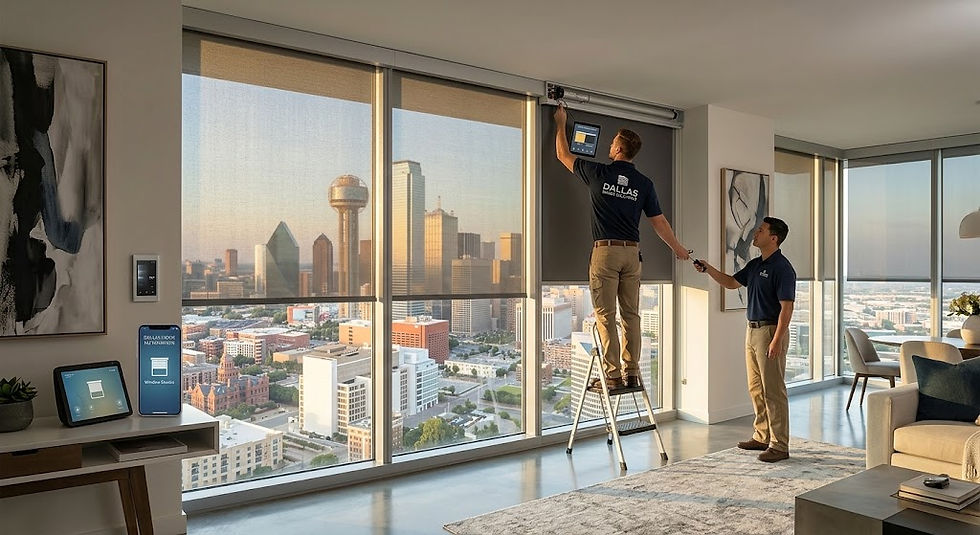
Use roller shades or drapery to limit direct sun
Maintain airflow to reduce heat and humidity buildup
Clean fabrics regularly to prevent fiber breakdown
Window treatments and upholstery work best when planned together.
Dallas Design Preferences and Upholstery Trends
Dallas interiors commonly favor:
Clean lines with durable materials
Warm neutrals that work with sunlight
Classic furniture frames updated with modern fabrics
Older homes often blend traditional silhouettes with contemporary performance textiles. Newer homes favor simplicity and function.
Restoring Furniture Is About Comfort, Not Just Appearance
In Dallas homes, furniture fails fastest where sun and heat are strongest. Upholstery services address this problem directly by rebuilding comfort, improving durability, and extending the life of well-made pieces. With the right materials and planning, sun-exposed furniture can remain comfortable and visually balanced for years.
A Practical Next Step for Dallas Homeowners
If upholstered furniture in your home feels uncomfortable, looks faded, or no longer holds its shape due to sun exposure, a professional upholstery evaluation can clarify whether restoration is the right solution. Dallas Home Fabric Center works with Dallas homeowners to assess fabric performance, cushion support, and sun exposure so decisions are based on longevity and comfort rather than guesswork.
Contact Us Now to get best fix out there.
Comments