
High End Upholstery Fabric Specialist Dallas Texas

High End Upholstery Fabric Specialist Dallas Texas
A Complete Guide for Choosing Luxury Fabrics That Last
A North Dallas homeowner once paid almost four thousand dollars for a custom sofa. The frame was hand built, the cushions were down filled and the fabric was beautiful in the showroom. The arm that faced the window had faded to a chalky version of its original color but the rest of the sofa still looked brand new eighteen months later. Nothing itself had failed in the furniture. The fabric was just not made for a room that gets four hours of direct Texas sun every afternoon.
And this scenario plays out over and over again in Dallas. Many homes here have large windows, open floor plans and lots of natural light, which is one reason people love living in this city. The same light, combined with the extreme heat of summer, is destructive to ordinary fabric over time. A dining chair after a year of family dinners is worn out. My favorite reading chair is soft, scratchy, soft, scratchy. It has nothing to do with the quality of the furniture at all. It's almost always about how the fabric plays into the climate and how the room really works.
That difference between “looks nice in the store” and “still looks nice in five years” is exactly where a real fabric specialist makes his money. Somebody who knows how fiber behaves, how a weave is constructed and how fabrics are finished can prevent a Texas summer from ruining a homeowner’s fabric choice long before the disaster occurs.
This guide walks through what that expertise actually looks like, why Dallas conditions demand it and how to evaluate fabric the way a specialist would.
What Separates a True Upholstery Fabric Specialist From a Regular Supplier
Many places sell fabric by the yard and are called a showroom. Few can explain why one fabric wears better than another in a sunroom or why a linen blend that works perfectly in Seattle may not in a Dallas den. The difference is depth of knowledge, not inventory size and that’s what separates a generic fabric store full of bolts from a specialist who can help guide a real decision.
Sourcing Relationships and Mill Knowledge
A specialist typically works directly with mills and fabric houses rather than just using pre-packaged lines. This means they know how a fabric was constructed, what fiber ratios were used and what finishings treatments were applied before it got to a bolt. This background gives them the ability to accurately speak to how a fabric will age, rather than repeating the marketing language on a tag.
How Fabric Gets Evaluated Before It Reaches a Showroom
Good fabric professionals test for abrasion resistance, colorfastness and exposure to light before recommending a fabric for heavy use. The abrasion test counts the rub cycles before a fabric begins to thin and is a decent indicator of how well fabric will perform on an arm rest or dining seat. Colorfastness is generally rated one to five and you should avoid anything below three for a room facing the sun, as it indicates significant fading within a year. What a large scale retailer can’t generally provide is a specialist who can walk through these ratings.
Why Dallas Sun and Heat Change the Fabric Equation
Dallas summers are often over ninety five degrees, and homes with west facing or south facing windows can get direct sun on furniture for several hours a day. This combo of heat and UV exposure is harder on fabric than just about anything else it will face in its lifetime.
UV Exposure Across Different Rooms
Upholstery will fade far more quickly in a living room with floor to ceiling windows facing west than in a guest bedroom facing north. Because warm fibers absorb light differently than cool ones, the breakdown of dye pigments under continuous UV exposure compounds with heat. For this reason, every meeting with a high end upholstery fabric professional in Dallas, Texas, should consider the precise positioning of a piece of furniture as well as the fabric selection.
Humidity and How Fibers Respond Over a Texas Summer
Texas experiences significant seasonal variations in humidity and as moisture levels fluctuate, some natural fibers expand and contract slightly. Over time, this can loosen a weave or result in modest puckering in seams. Natural fibers combined with more stable synthetics or fabrics designed for humidity stability typically retain their shape better during these swings.
Fiber and Weave Choices Worth Understanding Before You Buy
Fiber content is the foundation of how any fabric will perform and weave structure determines how well that fiber holds together over years of use.
For Texas summers, cotton and linen are soft and breathable but unless they are treated or mixed, direct sunshine can bleach them. Performance fabric, which includes blends of polyester and acrylic, now provides enhanced softness along with stain and UV resistance. Additionally, durability and a sophisticated, formal appearance are combined in modern performance velvet. Weave density also matters since textured weaves better conceal daily wear while tighter textiles are more resistant to snagging, pilling and wear.
Select performance blends that are tightly woven for family spaces.
Formal settings can benefit from lightweight linen or silk blends.
Use stain resistant materials for dining chairs.
Sunrooms: Select treated natural fibers or UV stable synthetics.
Matching Fabric to Window Treatments for Complete Protection
The fading issue is only partially resolved by fabric selection. Since sunlight also deteriorates wood finishes, flooring and artwork in the same room, even UV resistant cloth wears out more quickly without the proper window coverings.
Coordinating Drapery and Shades With Upholstery Decisions
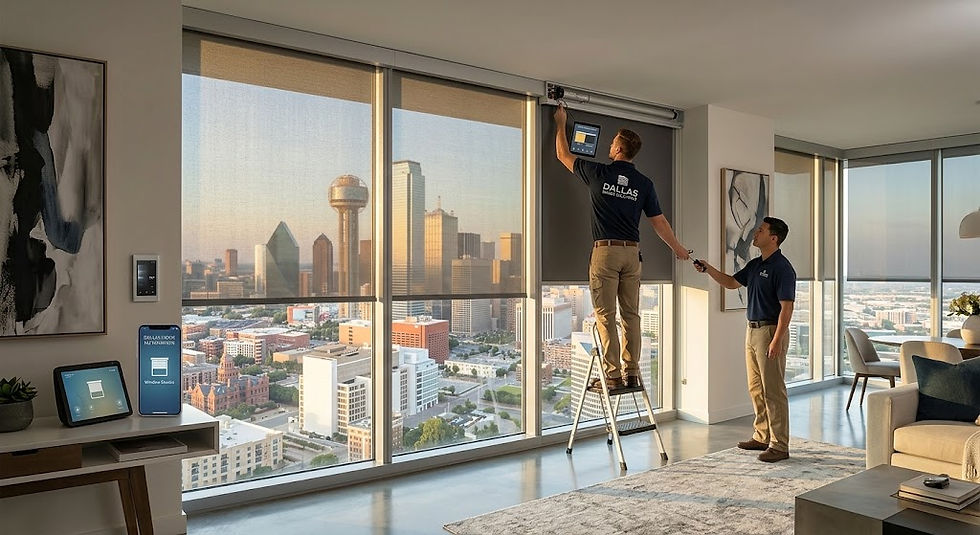
Many Dallas homeowners prefer solar shades and roller shades sometimes referred to as roller blinds online over blackout treatments because they reduce glare while allowing in filtered daylight. Layered draperies reduce a room's acoustics and provide an additional buffer during the hottest afternoon hours. A professional who deals with both fabric and window treatments can arrange these components jointly rather than as separate purchases, usually creating a more unified, better protected space.
What a Consultation With a High End Upholstery Fabric Specialist Dallas Texas Looks Like
A true consultation considers more than just a swatch book. I inquire about who lives there, how the space is used, the direction of the windows and whether or not custom draperies are planned. Homeowners should inquire about the fabric's compatibility with current window coverings, cleaning needs, rub counts and sun exposure performance. A competent expert customizes suggestions based on the room's overall style, lighting, lifestyle and durability.
Request particular information on colorfastness, fiber and rub count.
Examine the fabric's performance under comparable sunlight conditions.
Verify that cleaning techniques are appropriate for your home.
Ensure that it blends nicely with the current flooring and treatments.
If a specialist ignores specifics, suggests the same fabrics everywhere or puts pressure on you to make a decision without seeing samples under various lighting conditions, proceed with caution.
A Bluffview Living Room That Needed More Than a New Sofa
Before realizing that the fading was being caused by high afternoon sun from a west facing bay window, a Bluffview homeowner replaced a sofa twice in six years. Two years later, the sofa's deep color was maintained thanks to a UV stable performance blend and solar roller shades.
Dining chairs at Caruth Terrace had to be resilient to spills and regular entertaining. Everyday marks were concealed by a warm neutral fabric with a modest texture that was tightly woven and stain resistant. The selection of customized internal fabrics maintains the chairs looking new even after many dinners and frequent use.
Caring for Investment Grade Upholstery Over the Long Term
Upholstery keeps its freshness longer with routine maintenance. Clean spills right away, rotate or flip cushions every few months to distribute wear evenly and prolong fabric life and vacuum weekly with a soft brush to remove grit before it ruins the weave.
The same rules apply to patio cushions which require appropriate exterior coatings because they are exposed to more intense sunlight. Window treatments indoors significantly lessen daily UV exposure, protecting fabric color and preserving its beauty long after installation.
Why the Right Guidance Makes the Difference
Heat, sunlight, domestic use, fiber and weave all influence the choice of fabric. Combining window treatments, weave and fabric yields the finest effects. Dallas Home Fabric Center customizes upholstery fabric selections based on the actual requirements and lifestyle of each area.
Ready to Choose Fabric That Actually Lasts
A discussion before ordering any fabric, rather than after a piece begins to fade, is most beneficial for homeowners who want upholstery that will still look attractive in five or 10 years.
Every suggestion made by the staff at Dallas Home Fabric Center is tailored to the room, its light exposure and the household using it by going over fiber possibilities, weaving performance and harmonizing bespoke window treatments.
Make an appointment for a consultation or visit the showroom to view fabric samples in natural lighting and begin designing a space that will withstand Texas living.
Frequently Asked Questions
What makes someone a genuine high end upholstery fabric specialist? A genuine specialist can speak to rub counts, colorfastness ratings and fiber composition in specific terms and adjust recommendations based on a room's sun exposure and household use rather than offering the same fabric to everyone.
Is performance fabric a downgrade from natural fiber for a luxury home? Not anymore. Modern performance fabrics have closed the gap on softness and appearance while offering far better stain and UV resistance which is why many high end interiors now use them throughout main living spaces.
How much does sun exposure actually affect fabric lifespan? Significantly. Furniture in direct west or south facing sunlight for several hours a day can fade noticeably within one to two years without UV resistant fabric or protective window treatments in place.
Should window treatments be chosen at the same time as upholstery fabric? Ideally, yes. Coordinating both decisions together typically produces better fading protection and a more cohesive look than treating them as separate, unrelated purchases.
How long should high end upholstery fabric last with proper care? Ten to fifteen years is a reasonable expectation for quality fabric that receives regular vacuuming, prompt spill care and some protection from direct sunlight.
Comments